
Strain resilient nanocomposite conductors with self-healing ability are vital for skin-mounted devices and system-level bioelectronics, especially for wireless systems that require extremely low surface resistance and high stability of electromagnetic wave transmission. However, nanocomposite conductors inherently suffer from a trade-off between conductivity and flexible deformability or self-healing ability. To overcome this bottleneck, Professor Cheng-Hui Li's team has fabricated a strain resilient and self-healing conductor (with ultralow sheet resistance of 10.8 mΩ/sq) based on a well-designed polymer binder. It not only could maintain outstanding stretchability and electrical stability during repeated stretching (1000 cycles) but also exhibits self-healing performance upon damaging. On this basis, a flexible antenna with outstanding electromagnetic performance (realized gain of 5.25 dBi, nearly equivalent to that of copper-based devices), excellent self-healing ability and recycled property was realized. This approach overcomes the trade-off between high conductivity and excellent mechanical property in nanocomposite conductor and paves the way for completely self-healing flexible antenna towards wireless e-skins.
In this work, a brush polymer containing multiple heteroatoms was innovatively employed as the binder for the conductive composite, and silver nanosheets with a moderate aspect ratio were strategically selected as the conductive filler. Benefiting from the coordination interactions between the polymer binder and the conductive filler, as well as the migration of silver nanosheets toward the surface under hot pressing, a multilayered, orderly interconnected conductive pathway was formed on the surface of the composite. This unique structure lays a solid foundation for its ultra-low sheet resistance (Figure 1).
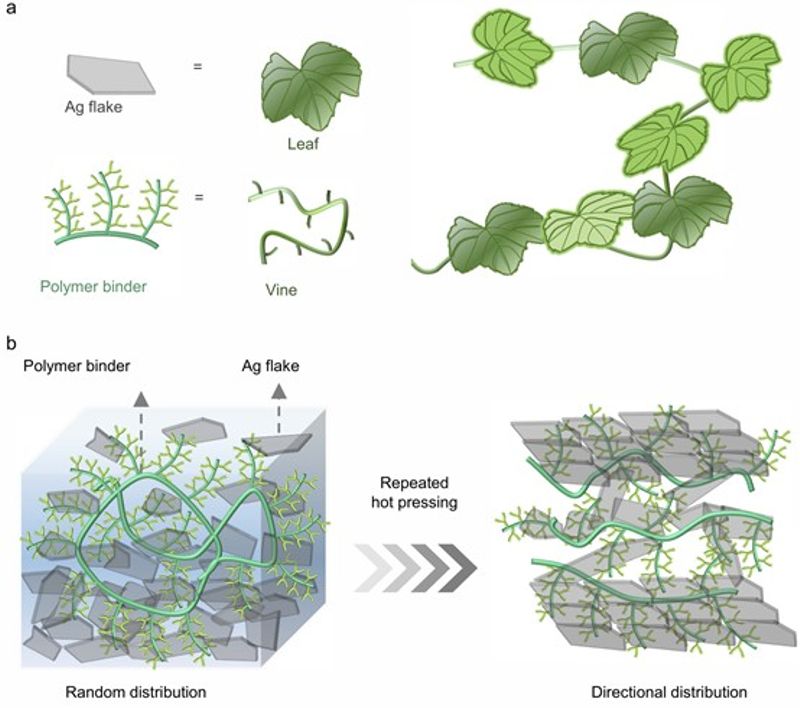
Figure 1. Fabrication of strain resilient nanocomposite conductor.
To ensure the strong interaction between polymer binder and Ag flakes, lone pair-rich polyetheramine (PEA) side chains are introduced into the brush polymer. It can generate strong interactions with the Ag flakes, thereby enhancing both the mechanical and electrical stability of the conductive composite. As shown in Figure 2, the surface of the nanocomposite conductor is smooth, and the internal silver nanosheets can migrate toward the material surface upon repeated hot pressing, forming densely stacked, continuous, and well-ordered conductive pathways. With an increasing mass fraction of the silver conductive filler, the glass transition temperature of the conductive composite slightly increases, while the elongation at break significantly decreases. Nevertheless, the electrical conductivity steadily improves. When the doping content of silver nanosheets reaches 70%, the sheet resistance of the nanocomposite conductor decreases to as low as 2 Ω.
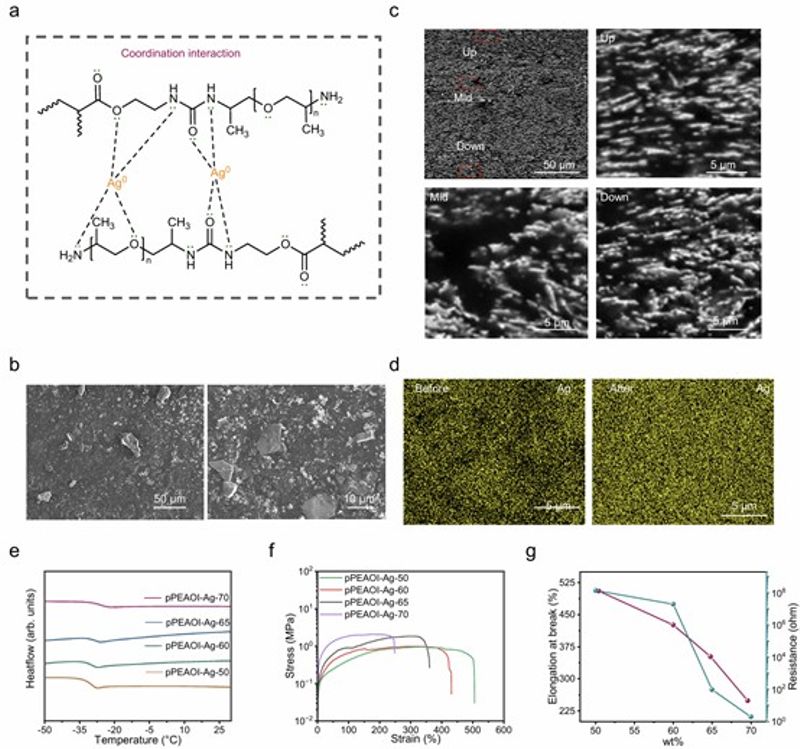
Figure 2. Design and characterization of conductive nanocomposites.
The electrical stability of stretchable conductors is essential for the long-term reliable operation of flexible electronic devices. However, conductive composites typically suffer from filler slippage or microcracking upon stretching, leading to a sharp increase in resistance. Notably, the conductive nanocomposite pPEAOI-Ag-70 exhibits strain-insensitive conductivity. As shown in Figure 3, under tensile strain of up to 100%, its sheet resistance increases by only a factor of 1.10 compared to its initial value. Furthermore, this conductive composite maintains stable electrical performance under various mechanical deformations and external stimuli, including stretching, twisting, and puncturing. It also demonstrates minimal variation in resistance under repeated cyclic stretching, along with significantly lower electrical hysteresis than similar materials, making it highly suitable for long-term wearable applications. Leveraging the hydrogen bonding interactions provided by the heteroatom-rich structure of the polymer binder, the conductive composite achieves instantaneous self-healing of electrical properties as well as autonomous repair of mechanical damage.
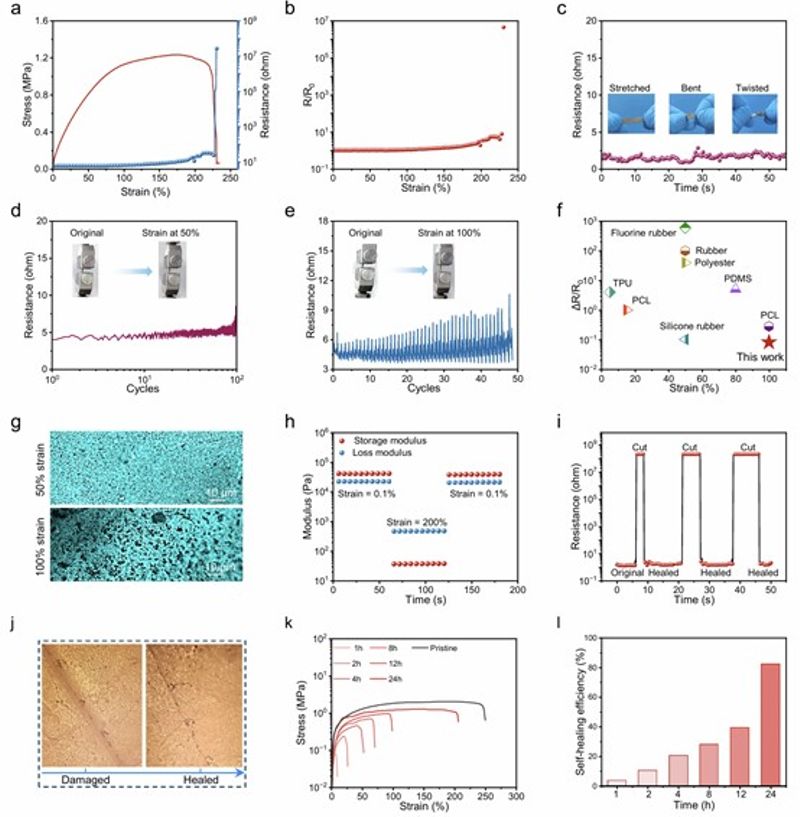
Figure 3. Strain-insensitive electrical performance, ultralow electrical hysteresis and self-healing property of pPEAOI-Ag-70.
To further elucidate the mechanism underlying the ultra-stable electrical performance of this conductive nanocomposite, the research team employed a similar brush polymer with a lower heteroatom content (designated pDMSOI) to verify the necessity of ether linkages. Subsequently, silver flakes were incorporated into pDMSOI using the same method as that used for preparing pPEAOI-Ag-70, yielding a control sample denoted as pDMSOI-Ag-70. As shown in Figure 4, although pDMSOI-Ag-70 also exhibits highly stable electrical performance prior to fracture, its maximum stretchable strain is only 20%. This is primarily attributed to the fact that the viscous polymer cannot effectively support the conductive filler, leading to a sharp decline in stretchability. Nevertheless, this composite demonstrates superior self-healing properties. Therefore, the research team further achieved a viscoelastic balance by blending the polymer binders. The resulting conductive composite exhibits an exceptional stretchability exceeding 700% and ultra-stable electrical performance under 1,000 repeated cyclic stretching tests, along with a further reduced self-healing temperature.
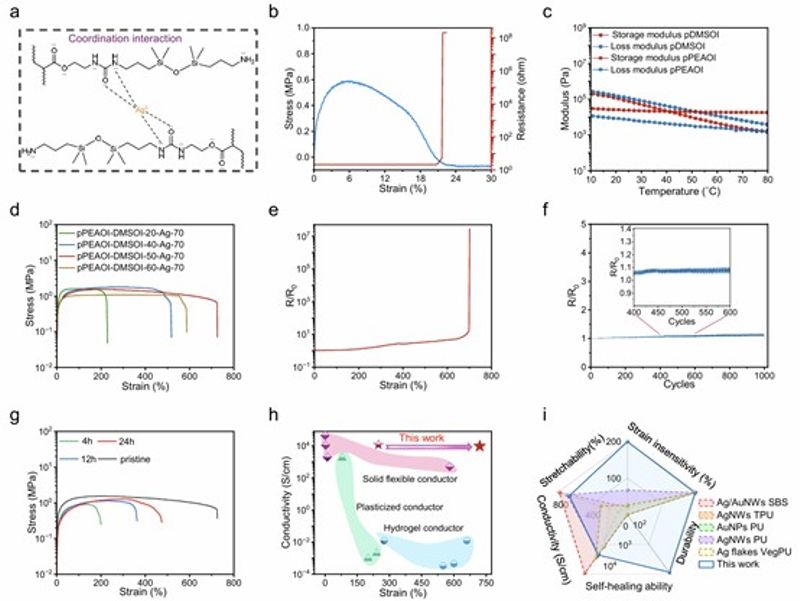
Figure 4. Mechanism and performance optimization of Ag flakes-based nanocomposite conductor.
As core components in wireless communication, microwave devices are widely used in electronic skins and play a critical role in wireless communication and energy transmission. However, due to the propagation characteristics of electromagnetic waves, the performance of microwave devices is highly sensitive to the conductivity and stability of the conductors; even minor structural damage can interfere with wireless functionality. Given the stringent requirements for conductivity and stability, no microwave device that simultaneously exhibits excellent electromagnetic performance and full self-healing capability has been successfully reported to date. The physical characteristics of this conductive nanocomposite make it possible to realize intrinsically self-healing microwave devices with outstanding electromagnetic performance. As shown in Figure 5, a stretchable antenna fabricated from this conductive composite supports 2.4 GHz Bluetooth wireless communication and maintains robust wireless communication capability even under stretching and after repeated cutting and healing. The wireless electronic skin constructed based on this antenna achieves an instant communication distance exceeding 65 meters.
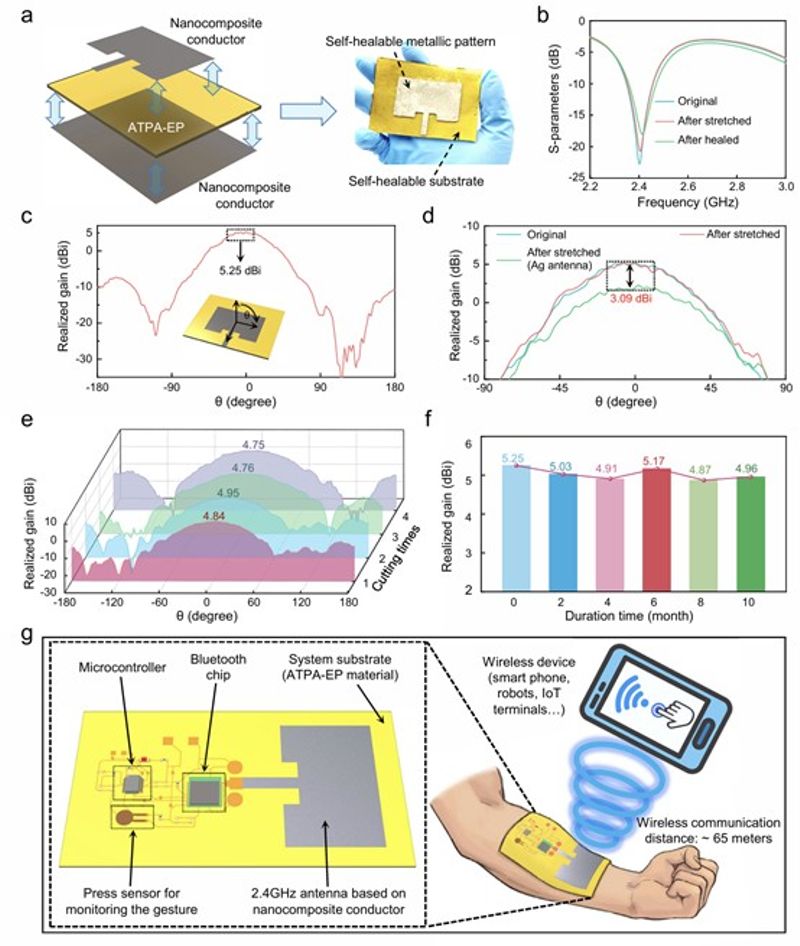
Figure 5. Stretchable and self-healable antenna based on nanocomposite conductor for wireless e-skins.
Overall, this work innovatively employs a heteroatom-rich polymer material as the binder in a conductive composite, combined with a post-processing technique of thermal pressing, to promote the migration of Ag flakes toward the material surface, thereby achieving decoupling of mechanical and electrical properties. The interconnected conductive pathways confined by the polymer binder are effectively protected from slippage and fracture under stretching, enabling highly strain-insensitive electrical performance over a strain range of nearly 200%. Using this strain-stable conductive composite, an intrinsically self-healing antenna was fabricated for wireless electronic skin, which maintains excellent performance even after bending, stretching, or severing. This strategy provides a viable technological pathway for intrinsically self-healing wireless wearable electronic devices.
The related achievements were published in Nature Communications entitled Strain Resilient and Self-healing Nanocomposite Conductors with Ultralow Sheet Resistance (DOI: 10.1038/s41467-026-71851-9). Ke-Xin Hou and Buyun Yu are co-first authors of the article, and Cheng-Hui Li, Tomoyuki Yokota, Takao Someya and Wei-Bing Lu are the corresponding authors. This work was supported by the National Natural Science Foundation of China.